Tampa Bay Fl Electrician Services: Your Comprehensive Guide
Overview
Welcome to your one-stop source for navigating the world of electrical services in Tampa Bay, FL. This guide will empower you to take charge of your electrical needs, whether you're a homeowner looking to install new lighting or a business owner expanding your facility's power capacity. We've broken down complex processes into simple, actionable steps, ensuring you have a clear path to success.
What You'll Accomplish
By following this guide, you will:
- Identify and prioritize electrical projects.
- Gather necessary tools and materials.
- Navigate permitting and safety regulations.
- Implement electrical solutions with confidence.
- Troubleshoot common issues.
- Ensure long-lasting, safe electrical systems.
Getting Started: Setting the Stage for Success
-
Define Your Project: Begin by clearly outlining your electrical needs. Are you looking to add outdoor lighting, upgrade an old wiring system, or install a new appliance? This step is crucial as it guides your entire process.
- Example: A homeowner wants to illuminate their backyard for evening gatherings.
-
Assess Your Space: Inspect the area where work will be done. Note any existing electrical panels, wires, and outlets. Take measurements and identify potential challenges, like tight spaces or intricate layouts.
- Time Estimate: 30 minutes
- Required Resources: Tape measure, pencil, notepad
-
Research Local Codes: Familiarize yourself with Tampa Bay's building and electrical codes. These regulations ensure safety and may impact project feasibility. You can find these online at the local government website.
- Scenario: Some areas require specific grounding techniques for outdoor lighting.
-
Set a Budget: Determine your financial limits. Electrical projects vary widely in cost, from affordable do-it-yourself upgrades to extensive renovations requiring professional help.
- Industry Statistic: The average cost of electrical repairs is $250-$600, but complex jobs can exceed $1000.
Implementation Checklist: Turning Vision into Reality
Before You Begin:
- [ ] Obtain Necessary Permits: Check with your local building department to ensure you meet all requirements for your project. Some tasks may not require permits, while others demand professional licensing.
- [ ] Secure Power: Turn off the circuit breaker or fuse controlling the work area to ensure safety during electrical work.
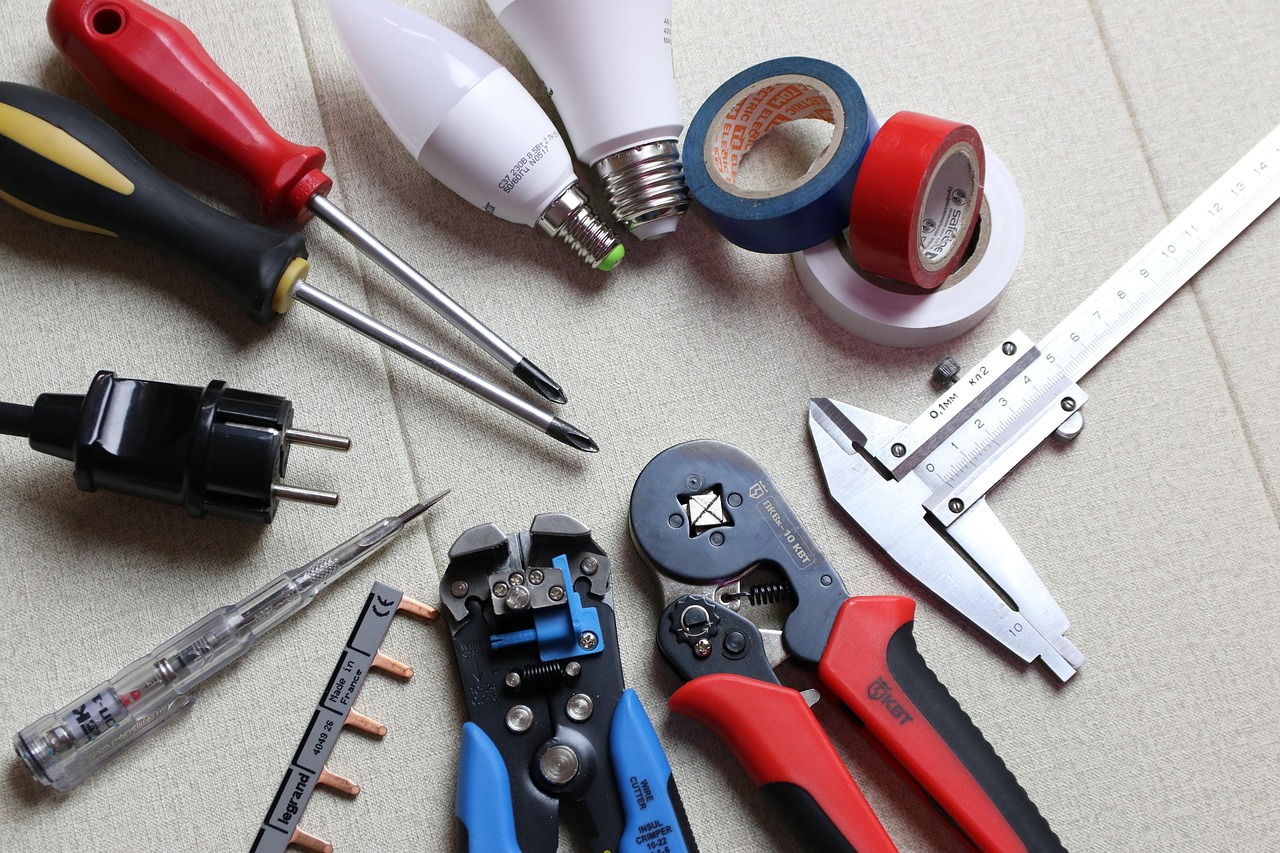
- [ ] Gather Tools and Materials: Create a list based on your project scope (e.g., wire strippers, screwdrivers, lighting fixtures). Check local hardware stores for expert advice.
Step-by-Step Implementation:
-
Install or Upgrade Outlets/Switches:
- Beginner Level: Replace old outlets with modern, grounded varieties. Use a voltage tester to ensure proper wiring.
- Intermediate: Install dimmer switches for lighting control. Follow manufacturer instructions for specific types.
- Advanced: Rewire existing circuits to accommodate new demands, ensuring adequate amperage and safety.
-
Wire Lighting Fixtures:
- Scenario: For outdoor lighting, decide on fixture placement and run wire from the main panel or a transfer switch.
- Time Estimate: 1-2 hours per fixture (including testing)
- Resources: Wire strippers, pliers, junction boxes
-
Create a GFCI Outlet:
- Important: Install Ground Fault Circuit Interrupter (GFCI) outlets in kitchens, bathrooms, and outdoor areas to prevent electric shock.
- Step-by-Step: Identify suitable locations, install the outlet, and test its functionality using a GFCI tester.
-
Run New Wiring:
- Beginner: For simple additions like a ceiling fan, use non-metallic (NM) cable rated for your circuit's amperage.
- Intermediate/Advanced: For larger projects, consult an electrician for wiring diagrams and safe routing of cables through walls or ceilings.
-
Test and Inspect:
- Essential: After each step, test electrical connections and circuits using a voltage tester. Ensure all work complies with local codes before reactivating power.
- Best Practice: Keep detailed records of installations for future reference and easier troubleshooting.
Decision Trees: Navigating Project Complexities
Is your project...
- Simple Upgrades? Follow the basic implementation checklist, focusing on outlets and lighting.
- Complex Renovations? Consult a licensed electrician to design and install custom solutions, ensuring code compliance.
- Involving New Construction? Work with an electrical contractor to plan wiring from the outset, integrating it into building plans.
Advanced Techniques: Expanding Electrical Capabilities
-
Smart Home Integration:
- Advanced Project: Incorporate smart lighting controls and energy management systems for enhanced convenience and energy efficiency.
- Resources: Smart switches, motion sensors, compatible apps or hubs
-
Solar Panel Installation:
- Intermediate/Advanced: Explore solar power by consulting professionals on panel placement, wiring, and local incentives.
- Considerations: System sizing, battery storage (optional), and maintenance needs.
-
Home Automation Systems:
- Complex Task: Design and install entire home automation networks for lighting, security, and climate control.
- Industry Insight: These systems offer customizable controls but require significant investment and professional installation.
Troubleshooting Common Issues
-
Overloaded Circuits:
- Symptom: Lights flicker or blow fuses.
- Solution: Identify and isolate the problem circuit. Consider upgrading to a higher-amp breaker or adding new circuits as needed.
-
Loose Connections:
- Signs: Fuses blow frequently, outlets emit a burning smell.
- Remedy: Check all connections for loose or corroded wires. Tighten or replace as necessary, ensuring proper grounding.
-
GFCI Outlets Not Responding:
- Issue: GFCI outlets fail to trip when there's a ground fault.
- Fix: Test the outlet with a GFCI tester. Reset if needed. Check for loose connections within the outlet or circuit.
Safety First: Essential Precautions
-
Turn Off Power: Always deactivate power at the main breaker or fuse box before beginning work. This prevents accidental shocks or equipment damage.
-
Use Proper Tools: Employ tools designed for electrical work, such as insulated screwdrivers and wire strippers. Avoid using regular household tools on live wires.
-
Protect Yourself: Wear safety glasses and gloves when handling wires or working near electrical components. This minimizes the risk of injury from sparks or falling objects.
-
Check for Hidden Wiring: Before drilling or cutting, locate and mark hidden cables to avoid damaging them. Contact a professional if you're unsure.
Maintenance: Ensuring Longevity
-
Regular Checks: Inspect electrical panels and connections periodically for signs of damage or corrosion. Clean or replace as required.
-
Replace Outlets/Switches: Over time, outlets wear out. Test them regularly and replace any that feel loose or don't function correctly.
-
Stay Informed: Keep abreast of local code updates and new electrical technologies to make informed decisions about upgrades.
Conclusion: Empowering Electrical Excellence
Navigating electrical projects in Tampa Bay, FL, can seem daunting, but with the right guidance, you can achieve remarkable results. This comprehensive guide equips you to tackle a range of tasks, from simple upgrades to complex systems. By following these steps, implementing checklists, and addressing common issues, you'll ensure safe, efficient, and reliable electrical systems in your home or business. Remember, when in doubt, consult licensed professionals for expert advice and peace of mind.
Category: Tampa Bay Fl Electrician Services